HORMONAL IMBALANCE IN WOMEN
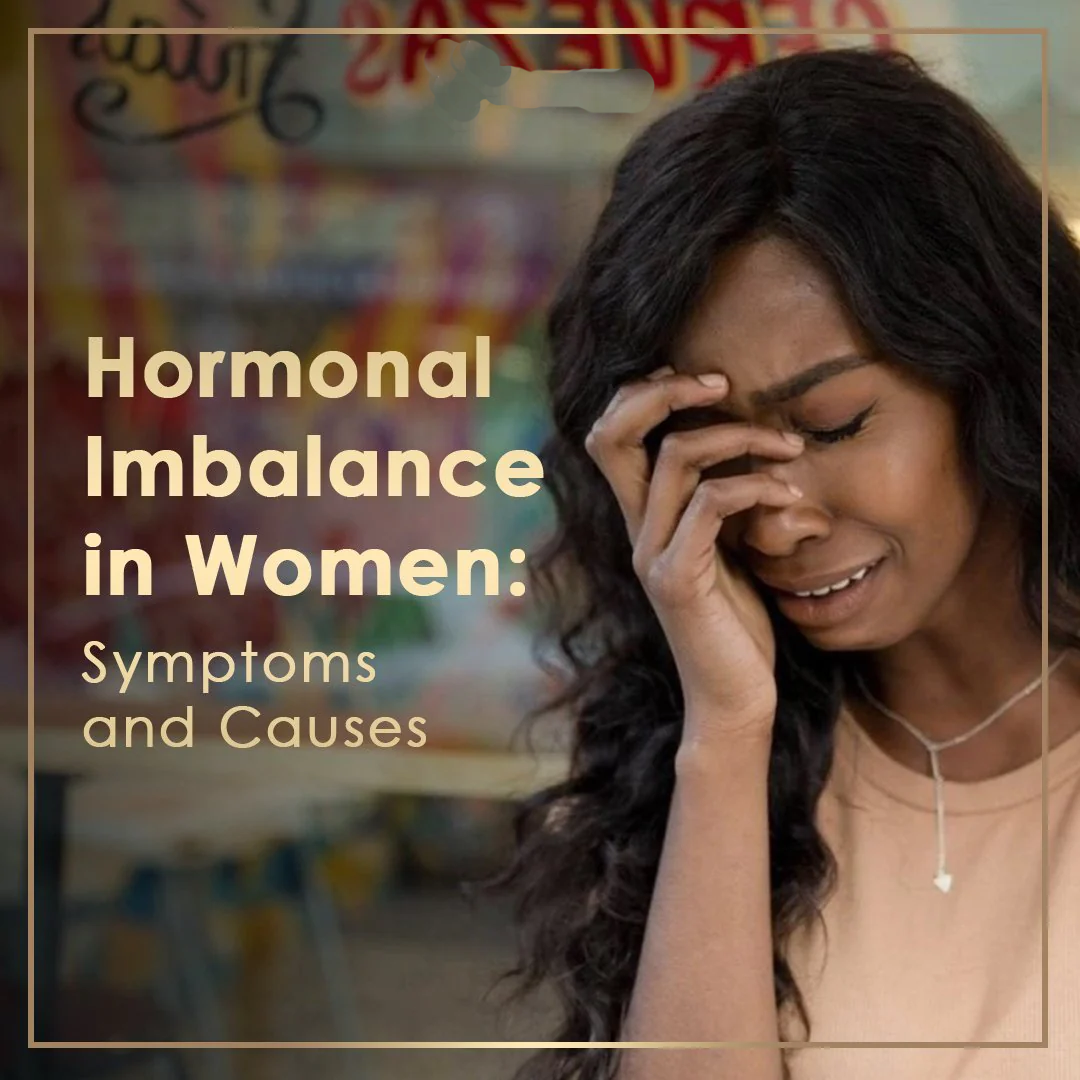
Hormonal imbalance in women refers to an abnormality in the levels of hormones in the body. Hormones are chemical messengers that play a crucial role in regulating various physiological processes, including growth and development, metabolism, mood, and reproductive functions.
Several factors can contribute to hormonal imbalances in women, and they can occur at various stages of life. Some common causes include:
- Puberty: Hormonal fluctuations during puberty can lead to imbalances, causing mood swings, acne, and changes in menstrual cycles.
- Menstrual cycle: Changes in hormone levels during the menstrual cycle can result in symptoms such as mood swings, irritability, and physical discomfort.
- Pregnancy: Hormonal fluctuations are normal during pregnancy, but certain conditions, such as gestational diabetes or thyroid disorders, can lead to imbalances.
- Perimenopause and Menopause: As women approach menopause, there is a natural decline in estrogen and progesterone levels, leading to symptoms like hot flashes, mood swings, and changes in bone density.
- Polycystic Ovary Syndrome (PCOS): PCOS is a common condition that affects the ovaries and can lead to imbalances in sex hormones, insulin resistance, and other symptoms like irregular periods and infertility.
- Thyroid Disorders: Conditions like hypothyroidism or hyperthyroidism can affect the production of thyroid hormones, leading to hormonal imbalances and various symptoms.
- Stress: Chronic stress can disrupt the balance of hormones such as cortisol, affecting reproductive hormones and menstrual cycles.
- Certain Medications: Some medications, including birth control pills, hormone replacement therapy, and certain cancer treatments, can impact hormone levels.
- Lifestyle Factors: Poor diet, lack of exercise, and inadequate sleep can contribute to hormonal imbalances.
Symptoms of hormonal imbalance in women can vary widely and may include:
- Changes in menstrual cycle (irregular periods, heavy or light bleeding)
- Mood swings and irritability
- Weight gain or difficulty losing weight
- Fatigue
- Insomnia
- Changes in skin (acne, dryness)
- Changes in hair (thinning, excessive growth)
- Hot flashes and night sweats
If you suspect a hormonal imbalance, it’s important to consult with a healthcare professional. They can perform tests to assess hormone levels and identify the underlying causes. Treatment options may include lifestyle changes, medications, or hormone therapy, depending on the specific situation. It’s crucial to address hormonal imbalances to manage symptoms and prevent potential long-term health issues.